LinkedIn has become one of the most important social media platforms for businesses. Especially since XING lost the competition and now serves only as a job platform, there is no way around LinkedIn for companies and anyone who wants to reach decision-makers. Especially in the area of B2B marketing and recruiting, the platform offers a wide variety of possibilities and opportunities for anyone who knows how to position themselves. LinkedIn can also be very interesting for the B2C sector when it comes to networking with other companies or establishing business contacts. As certified LinkedIn marketing strategists who have been working with LinkedIn for years and have developed successful campaigns and strategies, we have summarized the most important topics and lessons learned for you and show you how to build a successful LinkedIn strategy and what advantages this can bring you.

LinkedIn marketing for your B2B
A few facts and figures about LinkedIn
Key facts about the platform at a glance:
- LinkedIn has more than 850 million users worldwide, including 20 million in the DACH region.
- It is used to network with business contacts, stay informed, and exchange ideas with the network.
- A large proportion of these users are in decision-making positions in their companies and use LinkedIn to find out about new trends, technologies, and products for their business. This means that you can potentially communicate directly with the relevant decision-makers and present your products and services. (But please don't just send them a cover letter!)
- LinkedIn offers a high ROI for companies that invest in the platform.
- According to HubSpot, 80% of all B2B leads come from LinkedIn.
- LinkedIn posts generate significantly better leads than Facebook, Instagram, and Twitter posts.
- LinkedIn ads have an average conversion rate of 5-15% depending on the B2B sector, which is extremely good compared to other social media.
Added value through social selling, recruiting, and B2B marketing
LinkedIn also offers companies various ways to be successful on the platform. Through social selling, you can ensure that clients approach you and ask about your products and services instead of you having to approach them as you did in the past. While most platforms are about leisure and entertainment, LinkedIn users are already in a business context. This means they are directly interested in your ads or posts and are not actually looking for shower heads or entertainment on Instagram, for example.
Furthermore, users on LinkedIn are significantly more communicative and open to exchange than on other platforms. They openly share not only personal information, but also details about their workplace, job titles, skills, and much more in order to network. This makes targeting much easier! On the other hand, you can use the platform to recruit new employees. You can also target your B2B clients on LinkedIn and thus continuously expand your network.
The following six steps are essential for your LinkedIn presence:
Step 1: Without a LinkedIn strategy, nothing works!
If you're already motivated and want to get started right away, that's great! Welcome aboard! But before you rush in and create a profile for yourself and your company on LinkedIn, you should definitely take the time to develop a LinkedIn strategy. This may sound like a drag, but otherwise you will definitely not achieve the desired—and entirely realistic—results on LinkedIn. Disillusionment will set in and after a while the project will fizzle out, while your competitors reap the initial benefits.
So first think about WHAT you want to achieve on LinkedIn and WHICH target group you want to address. It's very important to know and understand your target group! What are their needs and interests? What kind of behavior characterizes them? How can your product or service help them? This is the only way you can target your target group, create relevant content for them, and design successful marketing measures. What problems and desires does your target audience have when they are on LinkedIn? And how can you communicate this on the platform? You (or your agency) need to analyze and record all of this in advance—you will need it again and again!
Step 2: Set up your company page as a second business card
Once you have defined your target audience and your goals, you are finally ready to get started! Start by setting up your LinkedIn company page. Make sure that your page is appealing and contains all the important information. LinkedIn company pages have become something like a second business card, especially in the B2B sector, alongside a company's website. If the page looks bad or is not regularly updated, this will reflect badly on your company.
Step 3: Editorial plan and organic content
You should also create an editorial plan so that you can regularly post organic content that appeals to your target audience and provides relevant information. Make sure that your content offers added value for your target audience and does not focus exclusively on your products or services. This organic content is particularly important for your success on LinkedIn. As with all social platforms, this requires a certain amount of regularity, high-quality content, and good community management. Thought leadership content performs particularly well here, allowing you to emphasize your position as a thought leader and expert in your field, offer your followers clear added value, and, if necessary, inform them about important changes, processes, and transformations in your company. This way, your target audience will eventually come to you on their own.
The key here is to strike a balance between 1. providing users with added value directly on LinkedIn and 2. encouraging them to visit your website, shop, or contact you. You should also make sure that you present your content in an appealing format. Videos, sliders with PDFs, or presentations are best, but images are also suitable!
Step 4: Performance boost through paid ads
In addition to organic content, LinkedIn also offers the option of placing paid advertisements. The list of options is long and tailored to many different purposes. You can target your audience and tailor your advertising to specific regions, industries, companies, job profiles, or experience levels. The targeting of these ads is extremely precise. However, you need to be careful not to make the target group too specific and thus miss out on potential leads.
This allows you to address your target group even more specifically and introduce your brand and services to a large number of potential clients or encourage them to buy, register, or try out your products or services – with or without a landing page. Ads are therefore particularly suitable for boosting your company website when you are just starting out, in order to achieve greater brand awareness. LinkedIn itself charges higher costs for ads than other platforms, but also offers unique access and precise targeting for your B2B clients.
Step 5: Get employees on board as corporate influencers and for social selling
In recent years, we have gained one particular insight from influencer marketing on Instagram and other platforms: people prefer to follow people, not brands. Most people probably don't even notice advertisements on websites or posts from companies anymore. But if the same product or post is presented by an influencer you trust, it stays in your mind much longer and is more likely to be believed. After all, the entire concept of influencer marketing is based on this “personal” recommendation. So there must be something to it!
This is exactly what social selling and company influencers on LinkedIn are all about – two key drivers for your successful LinkedIn marketing! Your company page is important as a business card, but you'll achieve a much greater reach by getting your employees on board and encouraging them to communicate about your company on their profiles. Personal accounts often reach significantly more users, tend to grow faster than company pages, and also make companies more attractive to potential applicants.
At the same time, depending on your business model, your employees can also use their accounts for social selling. This is not a new term for cold calling, but rather a counter-model: by presenting themselves as experts in their field, sooner or later, with the right communication, interested parties and potential clients will contact them themselves and inquire about your services, for example. So integrate your employees early on and take advantage of this potential! They will need time and support, especially in the beginning, but after a short start-up phase, it will be worth it!
Conclusion: A bit of work at the beginning. But: It's worth it!
Like all social media, LinkedIn requires time and effort to be successful. You need to create a company page, develop a strategy, and produce high-quality content to reach your target audience. However, it can be a very worthwhile investment, both for reaching new clients and for recruiting new employees. However, especially in the beginning, such a project can tie up a lot of time and resources within the company. If you need support in creating and implementing your LinkedIn strategy, please feel free to contact us at poleposition@drive.eu. As certified LinkedIn strategists, we have the expertise and experience to help you achieve your goals on LinkedIn.

Stephan Probst
More blog posts

Congratulations, dear Pader!
You've won the European Heritage Seal! What a wonderful honor!

UTOPIA - A new beginning or the end?
COMIC artists sharpen perspectives, seek new paths, and open up worlds. We are preparing a utopian-dystopian exhibition of visionary comic worlds at…

Youth media protection: Cell phones and social media for under-16s? Why not wait until they're 18?
Digital battles are raging, including for children's minds. Social media companies have stepped up their game – but are children even prepared and…
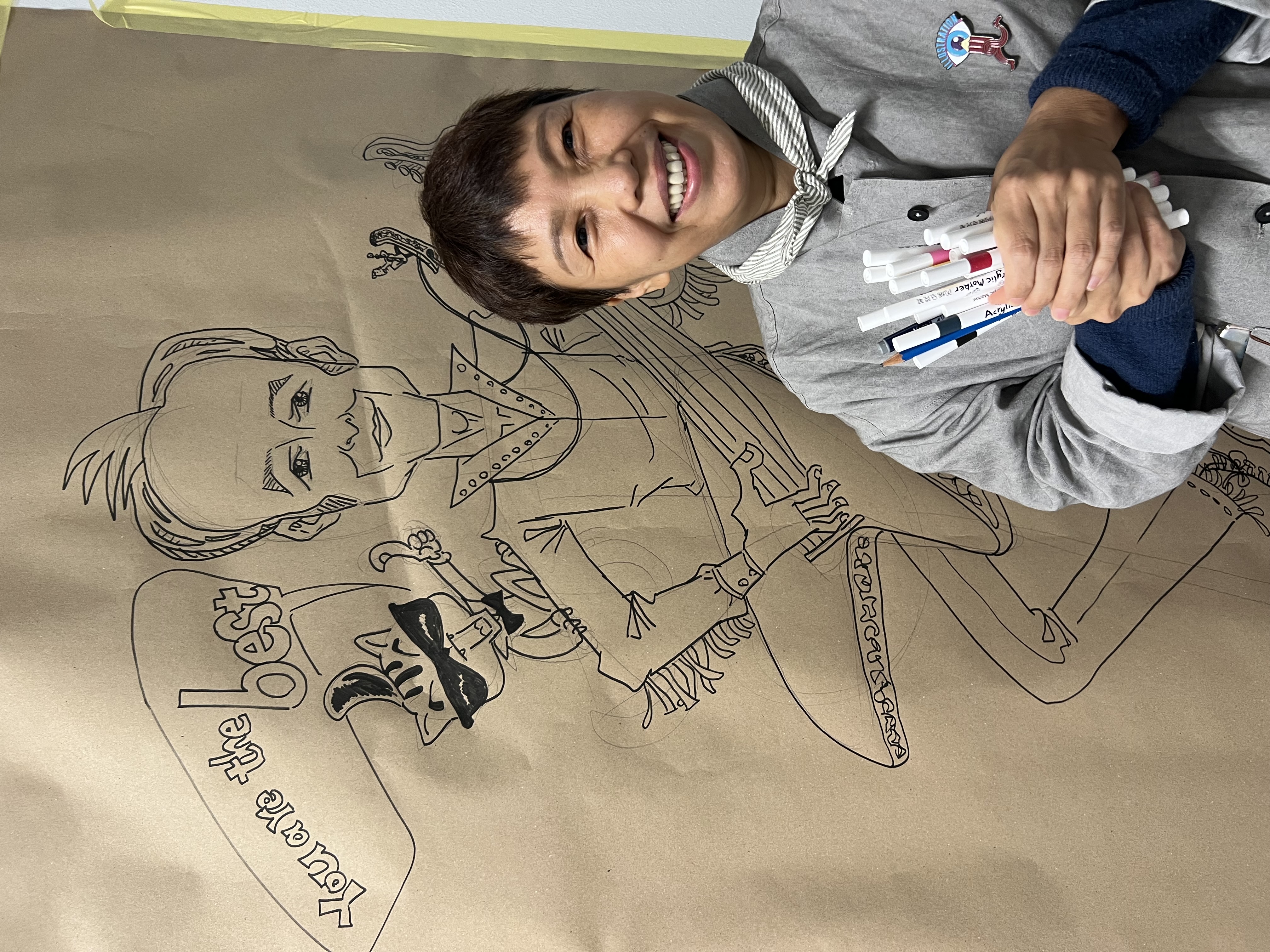
Drawing with Xu Jingru at the International Comics Seminar
Stephan Probst had the honor and opportunity to draw with the great comic artist Xu Jingru from Shenzhen at the International Comics Seminar.