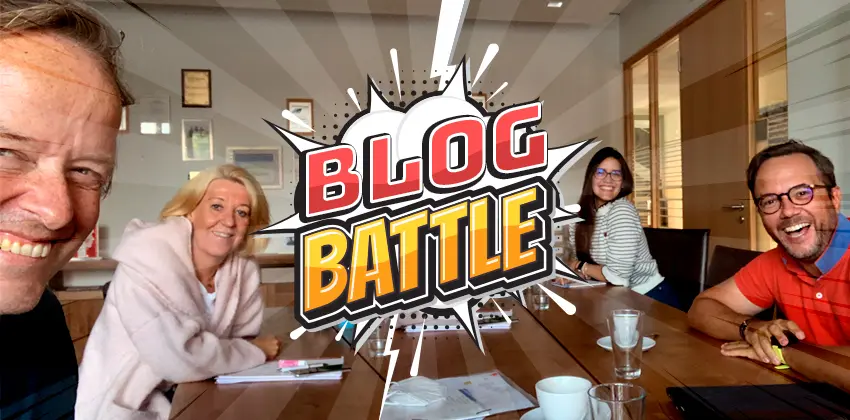
BLOG BATTLE - How do I make my blog attractive and strong?
Diagnosis: How can you recognize “BLOG FEAR”?
The term “BLOG FEAR” generally refers to the fear of filling your own blog with content, i.e., texts, images, or anything else. “What should I write?” or “How can I avoid boring my readers?” are questions asked by people affected by “BLOG FEAR.”
When does “BLOG FEAR” strike?
Most of the time, those affected have started a blog on a whim and without any kind of plan. They write their first article full of enthusiasm. And then they’re stuck: What should they write in the second one? And, oh no, in the third? And after that, oh dear? The answer is often: “No idea!” That’s not good.
Immediate measures: What you should do first!
Take a deep breath. Call DRIVE immediately: 0511-60407060. Get some good advice.
For healing: 11 tips and simple rules
Together, we'll make a plan. Here's how it works.
1. Who do you want to reach?
Describe your future readers, the ones you want to attract. Who are they, what do they look like, what might interest them? What topics, content, offers? At work, in their free time, whatever?
2. What are you particularly good at?
What are you an expert in? What do you know a lot about, and would your readers agree that you're good at it? If they don't believe that, then you've got some work to do.
3. Is it relevant?
Okay, you know who you want to reach and what you're good at—but does anyone care?
You need to reconcile these two things. So: find your readers and then one or more topics that interest them. Topics that are really important to them. Topics that you are reasonably good at and can become even better at. Once you have that, we have a basis. A starting point.
4. Create categories.
Divide your topics into categories. Create categories that you can use to organize your content. For example, like this.
- Something serious. Be important.
- Something fun. Entertain.
- Something current: Inform. About something that no one knows about yet. Be quick.
- Something human: Faces, yours and others'. Nothing interests people more than other people.
- Something honest: Experience. Tell stories. Authenticity is important. How are you? What are you experiencing?
Find a good mix here. Name your categories clearly and unambiguously. And keep writing something for them. These are your starting points.
5. Focus on your core. And differentiate yourself.
All your content must be connected. It must show your core, what sets you apart and makes you unique. What distinguishes you from others. Your important statements and messages that you want to convey to the world or your 10 to 12 readers. This usually emerges during the writing process. In other words, if you're already bored, how are others going to feel? You're probably just copying something you found somewhere else. And that's not good. So just have fun with your text. People need to feel that you are passionate about your topic, that it is really important to you.
6. Just start writing.
And have fun doing it. Don't think too much, just write. You can always edit it later. The important thing is to get started, with a beginning, middle, and end, so you have an overview of everything and know where you want to go.
7. Where do you want to go?
What do you want your readers to do with it? Do you want them to learn something? Do you want them to contact you? Be clear about this at the beginning, then the whole journey will be much easier.
8. Imagine someone you are writing for.
Then talk to them. That's enough. But keep it short. No rambling.
9. Publish regularly.
Nothing is worse than a blog that isn't maintained. If your last posts were several weeks ago, what are your readers supposed to think? That you don't even consider what you have to say or write important? No! So set yourself a regular schedule; once a week is fine.
Every two weeks is also fine. Once a month is already critical, because many people probably won't remember you after that long. Several times a week is really good.
And set specific days when you want to publish, for example: Friday afternoon before the weekend, when you have something longer and entertaining to say, then your readers will look forward to it. Or early in the morning at the start of the week if you're explaining something important in your field, so they can take it with them to work. Find out their reading habits and adjust your posting schedule accordingly.
10. Talk to your readers.
How? By ALWAYS seeking dialogue with them, both on and off the blog.
11. Use social media. Spread your message.
Once you've published your post, you need to spread the word. This works particularly well on social media, i.e. the channels your readers use. Here you can address them directly, touch on your topics, tease them, and make them curious. Tell them why it will be worth their while to invest one to three minutes of their time in reading your post.
Hashtags are a good way to highlight topics. You'll have to try a few to see what works best. Some are obvious. Find new ones.
Another option is newsletters. These can help you build reader loyalty, even if it's just a few people who don't follow you on social media. It can still be worthwhile for you. But BEWARE: there are a few other things to keep in mind here.
Care instructions: Have fun.
That's important. Then others will find him too. Definitely.

Stephan Probst
More blog posts
Spotting Deepfakes: The European Commission Launches New AI Labels
Artificial intelligence is transforming how we create content. But how can customers tell if an image, text, or video is authentic? The European…

Many Ways of Imagining the Future – How Comics Make Our Questions About the World Visible
Comics tell stories in a unique way. They can make complex themes visible, reach different audiences, and open up new perspectives on our present and…
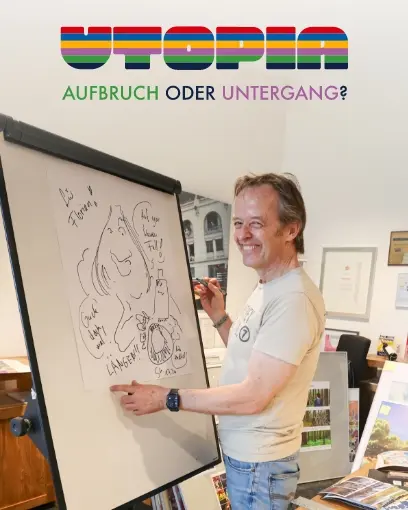
UTOPIA in the Press and on Social Media
The exhibition “UTOPIA – Breakthrough or Collapse?” has been described in local reports and announcements as an absolute stroke of luck and well worth…
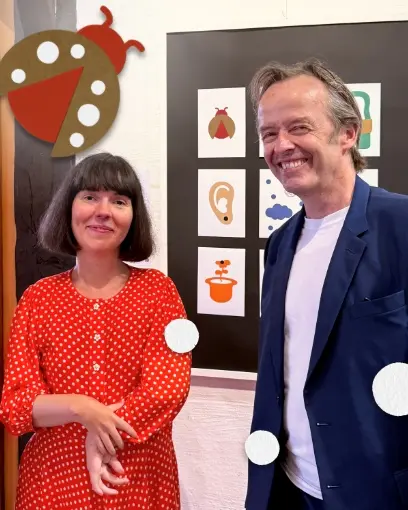
Points That Connect Worlds: My Conversation with Hatiye Garip About Accessible Art at the UTOPIA Opening
Conversation with Hatiye Garip at UTOPIA: About her tactile artwork “Finding the Dots”, accessible art, inclusion and participation.