Mass communication vs. 1:1 communication in dialogue
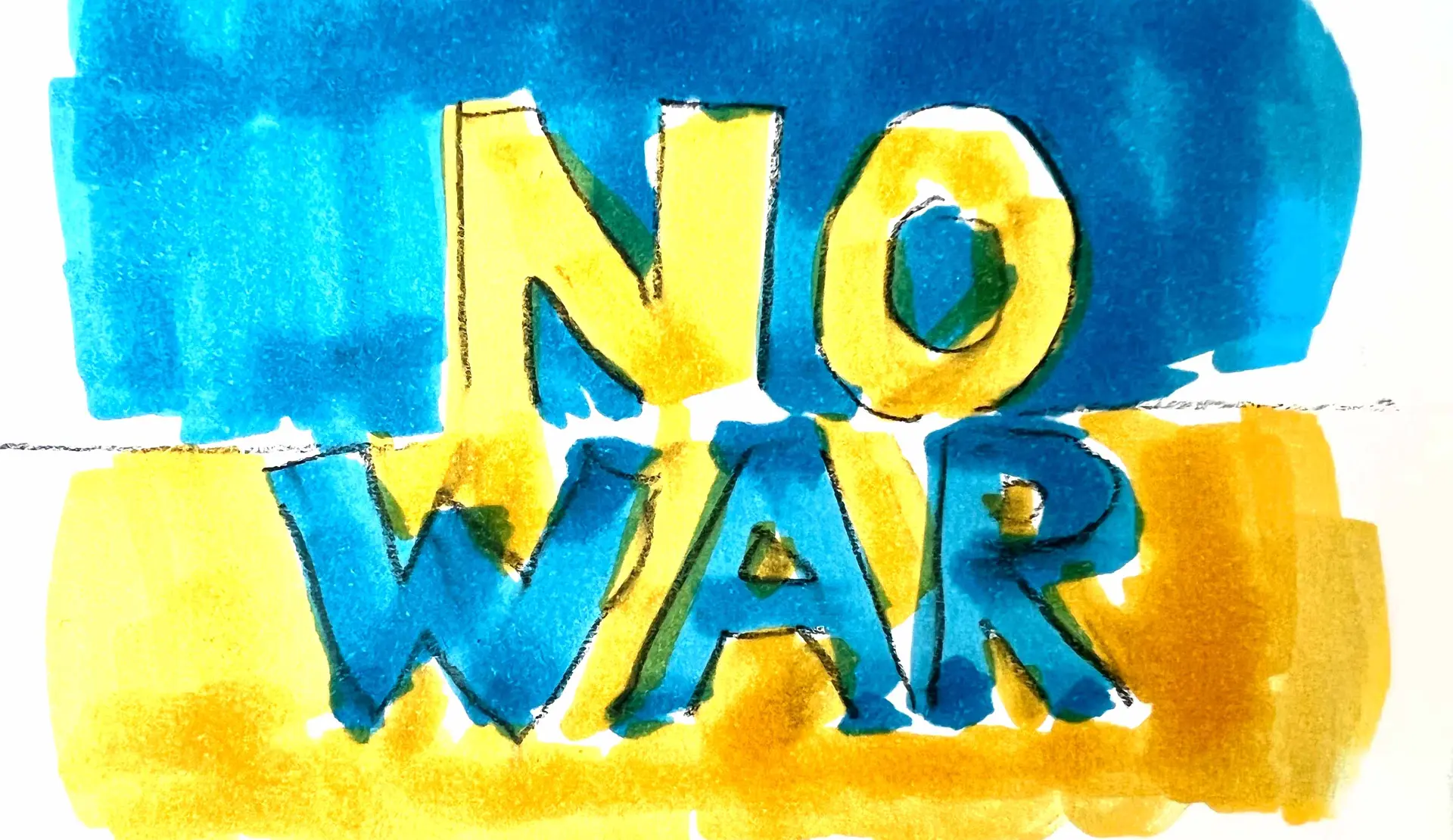
We engage in mass communication. We formulate messages in words, images, and data for broadcasters that are aimed at many recipients. We do this under the illusion of a dialogue, meaning we want to give recipients the impression that this communication is directed at them personally, i.e., that it is 1:1 communication. And for the most part, that is what it actually is—a special feature of social media. It feels close, personal, and direct, and it has a drastic effect. This makes the images and words we receive about the atrocities committed by the Russian ruler's army in Ukraine all the more terrible.
Truth vs. lies
The first thing to fall by the wayside in war is the truth. And that must have been the case here even before the war. Who can we believe, who still believes anyone? We are fighting for credibility. To achieve this, our intentions and values are important, as are our own actions, which prove them. The term “advertising” has always implied that ‘advertising’ something or for something also allows for exaggeration, even to the point of significant embellishment, legitimizing “a little lie,” so to speak. That is now a thing of the past. Nothing but the truth is right, and that must continue to be our stance.
Propaganda vs. enlightenment
And so, as communicators, if we cannot engage in actual dialogue with everyone, simply because we are unable to do so due to limited resources, we must at least do so “intentionally,” in a way that can be felt. By being honest and treating others with respect, openness, and tolerance. By granting them the freedom that we want for ourselves. Convincing others and welcoming different opinions and accepting them in conversation. In doing so, we cultivate the best journalistic and communicative qualities and values.